The Untold Secrets of Casino Floor Design
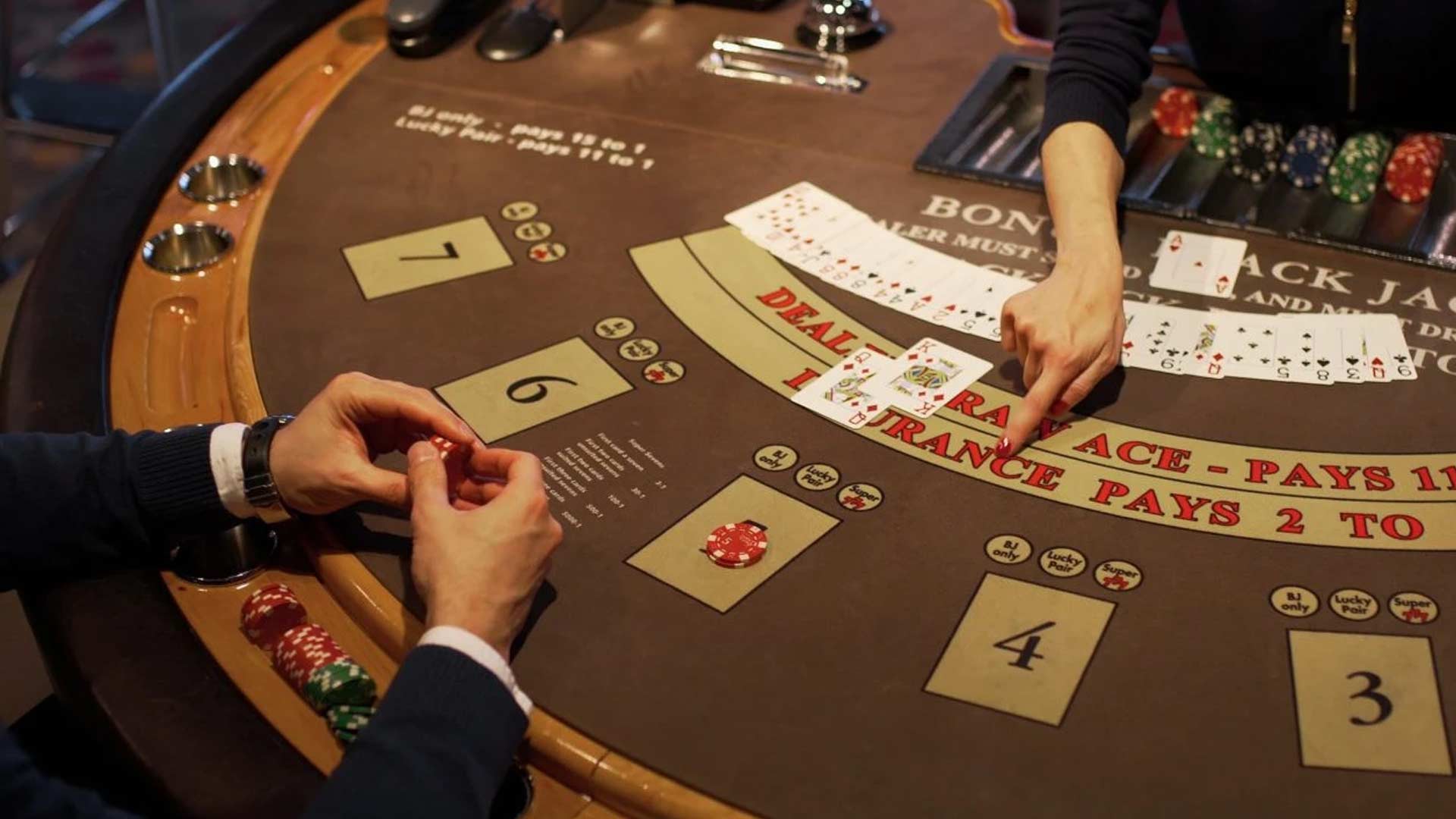
The Untold Secrets of Casino Floor Design
Casino floor design is more than just aesthetics; it's a carefully orchestrated psychological game aimed at maximizing profits. The layout, the colors, the sounds – every element is meticulously planned to influence player behavior and keep them gambling for longer. While many believe it's all random chaos, the truth is far more calculated.
One of the core principles behind casino floor design is creating a sense of disorientation. The goal is to disorient players and make it difficult for them to keep track of time or their location. This is achieved through several key strategies:
The Maze-Like Layout: Forget straight lines and logical pathways. Casinos are designed with winding corridors, dead ends, and a lack of windows and clocks. This deliberate complexity forces players to wander, encountering more games along the way. Each turn is a potential opportunity for them to stop and play.
Absence of Natural Light and Clocks: By removing external cues like natural light and clocks, casinos create a timeless environment where players lose track of the hours. This temporal distortion encourages them to gamble for extended periods without realizing how much time has passed. The artificial lighting further enhances this effect, creating a perpetual state of twilight.
Strategic Placement of High-Traffic Areas: Essential amenities like restrooms, ATMs, and restaurants are often deliberately placed far from the main gaming areas. This forces players to navigate through a sea of slot machines and table games, increasing the likelihood that they'll stop and play along the way. These essential pit stops become subtle opportunities for further engagement.
The "Playground" Effect: The vibrant colors, flashing lights, and constant sounds create a stimulating and exciting atmosphere. This "playground" effect taps into our innate desire for novelty and entertainment, making it harder to resist the urge to gamble. This sensory overload can be both exhilarating and subtly manipulative.
The Use of Color Psychology: Casinos strategically employ colors to influence mood and behavior. Red and gold, often associated with luck and wealth, are commonly used to attract attention. Calming blues and greens may be incorporated to create a more relaxed atmosphere in certain areas, encouraging players to linger longer. The combination of these colors creates a dynamic and visually appealing environment.
Sound Engineering: The sounds of a casino are just as carefully curated as the visual elements. The gentle chiming of slot machines, the murmur of conversations, and the occasional jackpot celebration all contribute to a constant hum of excitement. These sounds are designed to be both stimulating and subtly hypnotic, creating an immersive and addictive experience. For those seeking a different kind of excitement, be sure to check out m88 slot login for online gaming options.
The "Loss Leader" Strategy: Casinos often strategically place popular or seemingly loose slot machines near entrances and high-traffic areas. These "loss leaders" are designed to create the illusion of easy wins, attracting new players and encouraging them to spend more money. The sight of someone winning, even if it's just a small amount, can be highly contagious.
VIP Areas and High-Limit Rooms: These exclusive areas are designed to cater to high rollers, offering a more luxurious and personalized experience. The design of these spaces often incorporates more sophisticated and understated elements, creating an atmosphere of exclusivity and prestige. Access to these areas is often restricted, adding to their allure.
The Evolving Science of Casino Design: Casino floor design is a constantly evolving field, with designers continuously experimenting with new techniques and technologies to optimize player engagement. They analyze data on player behavior, track traffic patterns, and monitor game performance to refine their layouts and maximize profits. This data-driven approach ensures that casinos remain at the forefront of psychological manipulation.
In conclusion, casino floor design is a complex and sophisticated science that utilizes a range of psychological principles to influence player behavior. By understanding the secrets behind these design strategies, players can become more aware of the subtle forces at play and make more informed decisions about their gambling habits. Ultimately, knowledge is power when navigating the carefully crafted world of the casino floor.
```